
Health & Skincare Blog
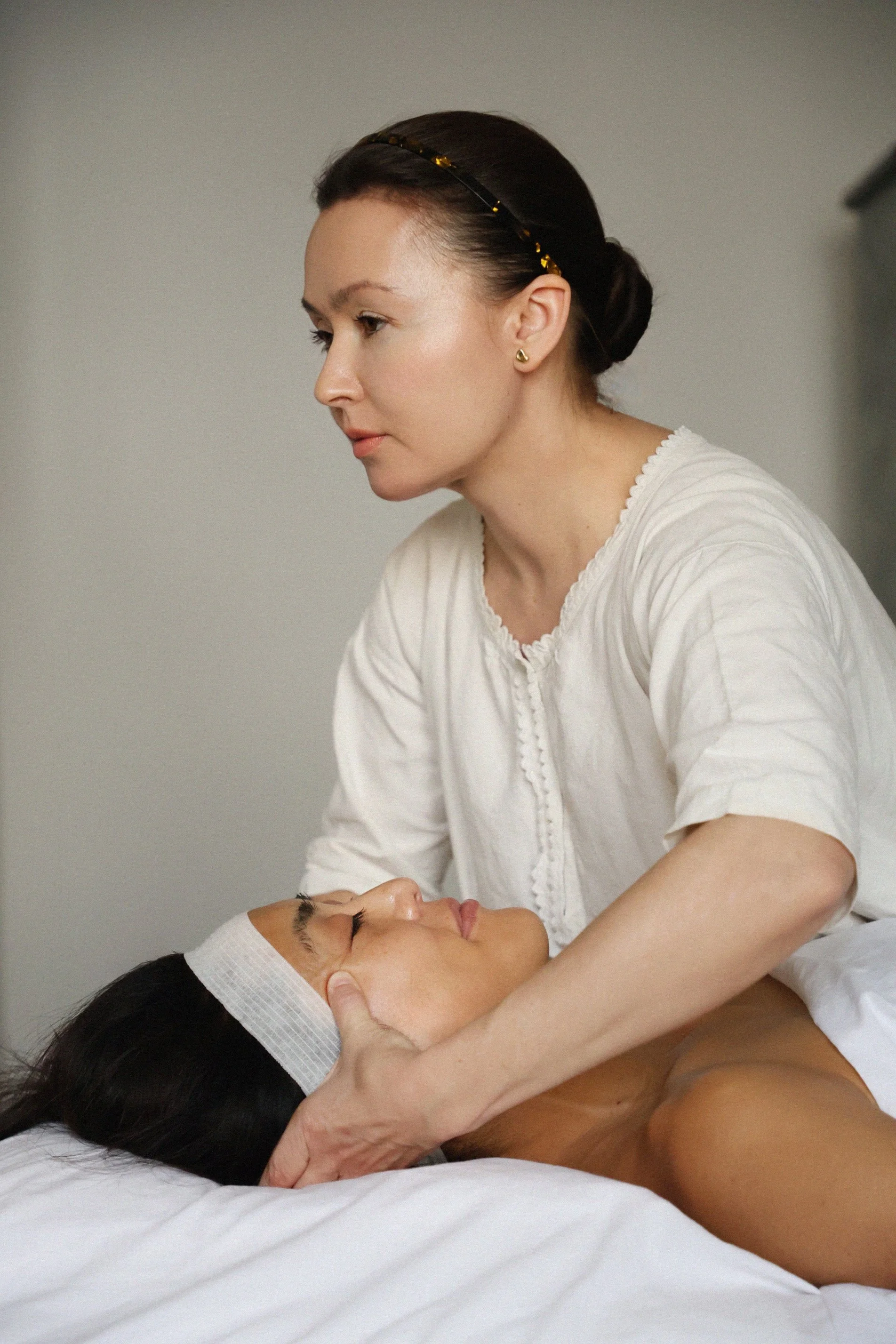
Face Massage Benefits: Lift, Glow & Reduce Puffiness
Face Massage Benefits: Lift, Glow & Reduce Puffiness
Face massage is one of the simplest, most effective ways to support healthy-looking skin naturally. In my Belgravia clinic, I use advanced facial massage techniques alongside Traditional Chinese Medicine (TCM) principles to help improve circulation, reduce puffiness, and release facial tension.
Key benefits of face massage
1) Boosts circulation for a natural glow
Facial massage encourages microcirculation, helping the skin look brighter, more even, and more energised.
2) Supports lymphatic drainage (less puffiness)
Gentle, directional massage can help move excess fluid, which may reduce under-eye swelling and facial puffiness and improve the look of facial contours.
3) Releases jaw and facial tension
Many people hold stress in the jaw, temples, and brow. Massage helps soften tight muscles and can reduce the look of tension-related lines.
4) Softens the appearance of fine lines
While massage isn’t a quick fix, improved circulation, hydration, and relaxed facial muscles can make fine lines look less pronounced over time.
5) Helps your skin barrier when paired with the right products
With high-quality, skin-respecting products, massage can support more even application and absorption—especially for dry, sensitive, or stressed skin.
Who is face massage best for?
Face massage is especially helpful if you want a more lifted look, wake up puffy, feel jaw tension, or prefer a natural, results-led approach to skincare.
How often should you do face massage?
At home: 3–6 minutes, 3–4 times per week
In clinic: tailored sessions based on your skin condition, lifestyle, and goals
Book a bespoke facial massage in London
If you’d like a consultation-led facial massage treatment in Belgravia, London, you’re welcome to get in touch.
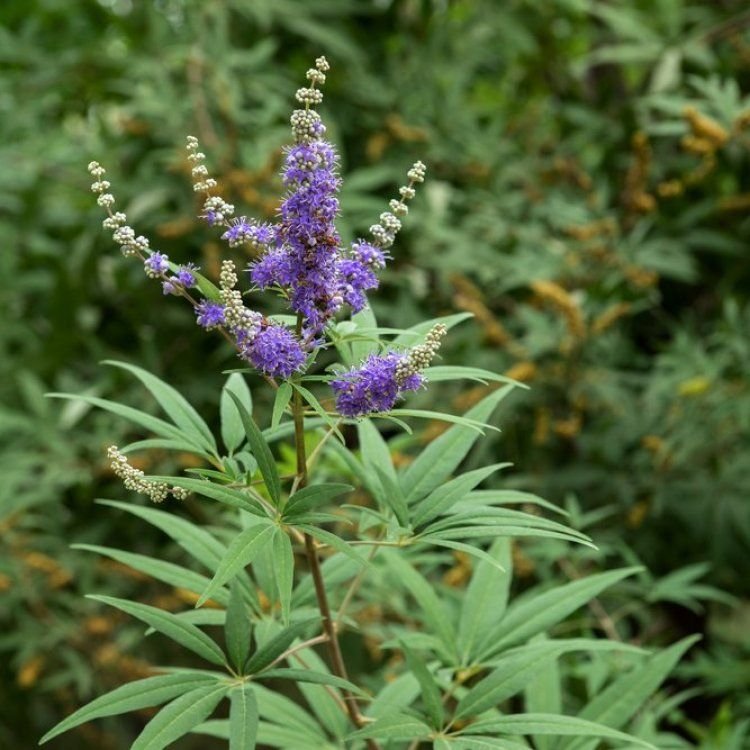
Agnus Castus for Hormonal Acne
Hormonal acne often flares around the jawline and chin in the week or two before a period. One herbal option sometimes used for this cyclical pattern is Agnus Castus (Vitex agnus-castus). It can be helpful for some women, but it’s not suitable for everyone.
What it is
Vitex is traditionally used for menstrual-cycle related symptoms, especially those linked to the luteal phase (after ovulation). It may influence hormonal signalling via the pituitary gland and can affect prolactin and the oestrogen–progesterone balance.
When it may help acne
Vitex is most relevant when acne is clearly cyclical and paired with PMS-type symptoms such as:
-Breast tenderness
-Mood changes before a period
-Bloating
-Spotting before a period
If acne is persistent all month, Vitex may not be the best first step.
Dr. Vogel Agnus Castus
Dr. Vogel is a popular herbal brand in the UK. If you choose a product like this, follow the label directions carefully and avoid combining multiple hormone-active supplements at the same time unless supervised.
How to take it (expectations)
Vitex works gradually. A fair trial is usually 8–12 weeks (often 2–3 cycles), taken consistently each day (commonly in the morning).
Stop and reassess if your cycle becomes more irregular, your mood worsens, or symptoms feel “off.”
Please seek medical advice first if any apply:
-Pregnancy or breastfeeding
-Hormonal contraception
-HRT or prescribed hormones (including progesterone)
-Fertility medications (e.g., letrozole, clomiphene) or IVF support
-Hormone-sensitive conditions (breast/uterine/ovarian)
-Pituitary disorders or prolactin concerns
Book a consultation
If you’d like a personalised approach to hormonal acne—looking at your skin, lifestyle, and supplements—you’re welcome to book a consultation.
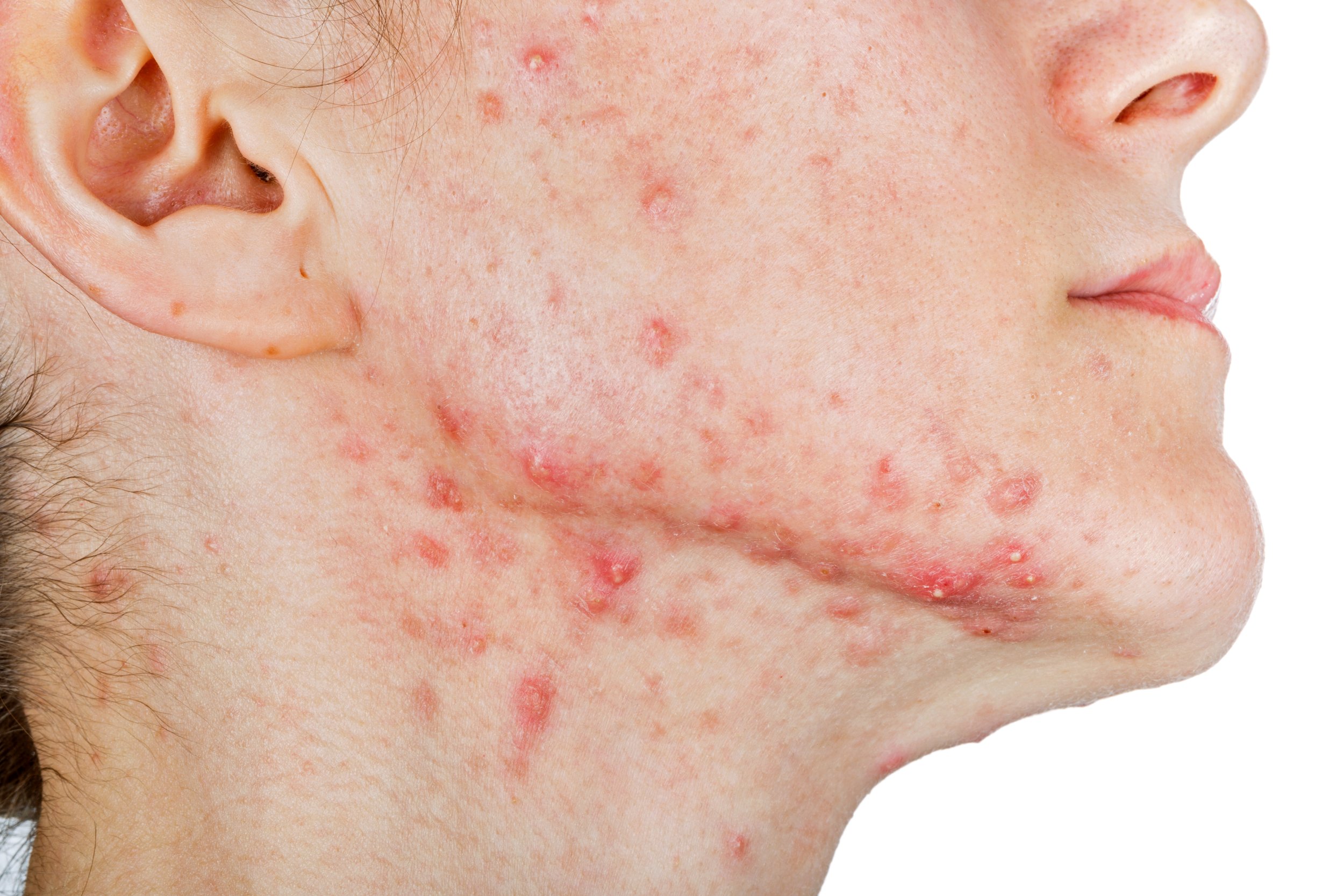
Hormonal Acne: Why It Happens..
Hormonal acne isn’t just a teenage issue. Many women experience breakouts in their 20s–40s+, often around the chin, jawline and neck, and often alongside PMS, cycle changes, stress, or poor sleep.
Hormones can affect oil production, inflammation, and healing. When they’re out of balance, acne can become deeper, more persistent, and harder to calm with skincare alone.
What can trigger hormonal acne?
Androgens (can increase oil and congestion)
Stress/cortisol (can worsen inflammation and slow healing)
Blood sugar swings (may influence inflammation)
Cycle fluctuations (many flare 1–2 weeks before a period)
How I help (skin therapy + acupuncture)
At Nataliya Robinson Health & Skincare in Belgravia, I combine:
Professional skin treatments to clear congestion, calm inflammation, and protect the skin barrier (e.g., safe extractions, peels, LED, lymphatic support where appropriate)
TCM acupuncture to support internal balance, stress regulation, sleep, circulation, and cycle-related symptoms
Because hormonal acne improves with consistency, I create a bespoke plan based on your skin, cycle patterns, lifestyle, and triggers.
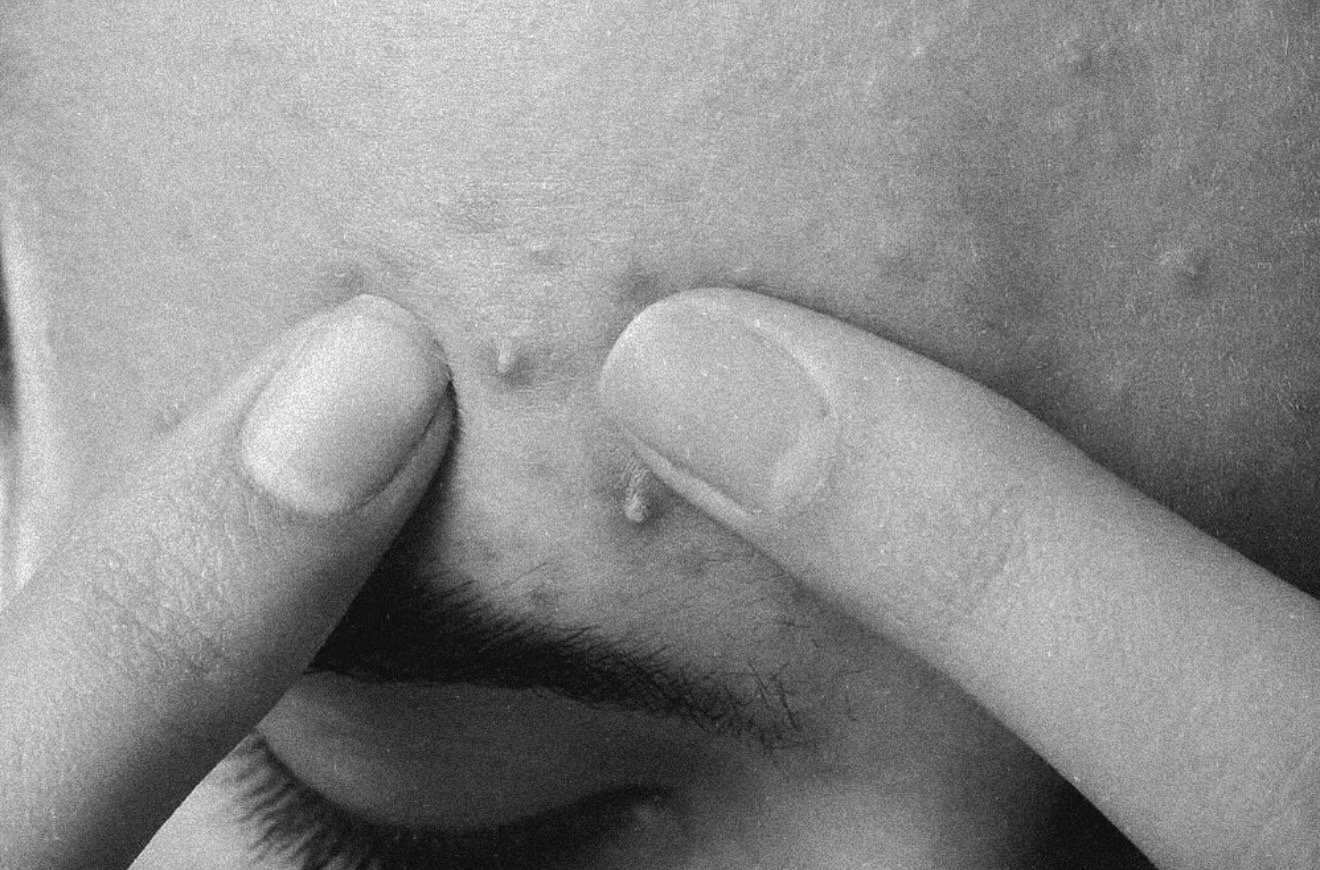
Acne, Congestion & the Fastest Way to Calm It
Acne isn’t always “bad skin” — very often it’s simply your skin doing what it was designed to do.
Your skin naturally produces sebum (oil) and sheds dead cells. When oil + dead skin + daily debris build up faster than your skin can clear them, congestion forms under the surface. This can show up as spots, under-the-skin bumps, blackheads, closed comedones, and milia (tiny white “milky” pearls under the skin that can grow over time). It’s a normal biological process — but some people produce more sebum, and many experience hormonal flare-ups, stress, or lifestyle triggers that make congestion more likely.
Here’s the part most people don’t want to hear: lotions and potions don’t remove what’s already trapped. Skincare products can support prevention and maintenance, but when congestion is sitting under the skin, using stronger acids or over-exfoliating often just irritates the barrier and increases inflammation.
The simplest and most effective step for congested skin is often professional manual extraction.
Manual extraction is a proven method that can deliver quick, visible results (depending on the cause and how congested the skin is). It helps remove blockages safely before they turn into inflamed breakouts — and it can dramatically improve texture and clarity.
Important: professional extraction is not the same as squeezing at home. When done correctly, the skin is prepared properly, the technique is precise, and the goal is to clear congestion without trauma, reducing the risk of prolonged redness, infection, and post-breakout marks.
If you can feel bumps under the skin, don’t wait until they become angry and inflamed. Keep your routine simple, don’t pick, and get the congestion cleared professionally.
If you’re noticing under-the-skin bumps, blocked pores, or recurring congestion, book your Clear Complexion Facial — and let’s bring your skin back into balance.

Psoriasis Awareness Month and how LED Phototherapy can help.
August marks Psoriasis Awareness Month, a moment to increase consciousness and support for those living with this chronic skin condition. Psoriasis affects over 125 million people globally1, characterized by red, flaky patches of skin that can be both painful and emotionally challenging.

Why Carrot Juice Is A Skin-Friendly Drink
Why carrot juice is a skin-friendly drink
Carrot juice is rich in beta-carotene (a plant pigment that the body can convert into vitamin A as needed). Vitamin A is essential for healthy skin function because it supports normal cell turnover, helps maintain a strong skin barrier, and contributes to an even-looking complexion.
Why adding oil makes a difference
Beta-carotene and other carotenoids are fat-soluble, which means your body absorbs them better when you consume them with a little fat.
When you add a small amount of oil to carrot juice, you’re essentially helping your digestive system “carry” those carotenoids into the bloodstream more efficiently—so you can actually use what you’re drinking.
Skin benefits you may notice over time
With consistent habits (and alongside a balanced diet), this combination may support:
-Glow and radiance: carotenoids can contribute to a healthier-looking tone
-Barrier support: better nourishment can mean skin that feels less reactive or tight
-Smoother texture: supporting renewal can help the skin look more refined
-Overall resilience: nutrition is one of the foundations of how skin responds to stress
What oil should you use?
Keep it simple. You only need a small amount.
Good options:
Extra virgin olive oil (classic and easy)
Flaxseed oil (rich in omega-3; best used cold)
Avocado oil (mild taste, very skin-friendly)
Start with 1 teaspoon per glass and adjust to taste.
How to drink it
Drink it fresh when possible.
Pair it with a meal or have it as part of breakfast.
Aim for consistency: 2–4 times per week is a realistic starting point.
A gentle note on balance
More isn’t always better. Carrot juice is powerful, but it’s still concentrated.
If you drink large amounts daily for long periods, carotenoids can sometimes cause a harmless yellow-orange tint to the skin (carotenemia).
If you’re pregnant, on medication, or managing a health condition, it’s always wise to check what’s appropriate for you.
The bottom line
Carrot juice is a beautiful “skin from within” habit—and adding a little oil can make it more effective, because it supports absorption of the nutrients that help skin look calm, bright, and well-nourished.

Nature's Ancient Wisdom: The Power of Mineral Mud.
Nature's Ancient Wisdom: The Power of Mineral Mud
In the vast landscapes of the natural world, elephants have long practiced what modern skincare science is now discovering – the extraordinary benefits of mineral-rich mud for skin health. These magnificent creatures, known for their intelligence and longevity, instinctively understand what premium skincare experts have refined into therapeutic treatments.
The Elephant's Secret: Why Mud Matters
When we observe elephants in their natural habitat, their mud-bathing ritual reveals a sophisticated understanding of skincare:
1. Mineral Absorption
• Their skin absorbs essential minerals directly from the mud
• Natural trace elements penetrate deeply into the skin
• Vital nutrients support skin barrier function
2. Natural Detoxification
• Mud naturally draws impurities from deep within the skin
• Gentle yet effective cleansing process
• Helps maintain skin's natural balance
3. Protective Properties
• Creates a natural shield against environmental stressors
• Maintains optimal skin temperature
• Provides UV protection naturally
The Science Behind Mineral Mud
Modern skincare science has validated what elephants inherently know. Mineral-rich mud offers remarkable benefits:
• Deep Detoxification: Drawing out impurities while infusing minerals
• Enhanced Circulation: Promoting cellular renewal and vitality
• Improved Texture: Refining and smoothing skin surface
• Natural Remineralization: Replenishing essential minerals
• Balanced Hydration: Maintaining optimal moisture levels
The Professional Evolution
At Nataliya Robinson Health & Skincare, we've elevated this natural wisdom into refined therapeutic treatments. Our professional mud therapy harnesses these powerful benefits in a luxurious setting, combining ancient knowledge with modern expertise:
• Premium mineral-rich mud selection
• Precise application techniques
• Temperature-controlled therapy
• Professional therapeutic protocols
Beyond Surface Benefits
The power of mineral mud extends beyond basic skincare:
1. Stress Relief
• Natural cooling properties
• Deep muscle relaxation
• Overall tension release
2. Skin Rejuvenation
• Enhanced cell turnover
• Improved elasticity
• Natural healing support
3. Therapeutic Benefits
• Improved circulation
• Reduced inflammation
• Enhanced skin function
Nature's Intelligence in Modern Skincare
What's truly remarkable is how elephants' intuitive behavior aligns perfectly with modern wellness practices. Their mud bathing isn't just about skincare – it's a holistic approach to well-being, much like our therapeutic treatments that nurture both body and mind.
The Wellness Connection
Just as elephants return to their mud baths as part of their natural wellness routine, our clients experience the transformative effects of professional mud therapy. Each treatment is meticulously crafted to deliver optimal results, combining the power of natural elements with professional expertise.
Embracing Ancient Wisdom
In our modern world of advanced skincare, sometimes the most profound solutions come from observing nature's own laboratory. The elephant's mud ritual teaches us that sophisticated skincare can be both natural and incredibly effective.
Experience the transformative power of nature's wisdom in our signature mud treatments, where ancient knowledge meets modern expertise for unparalleled skin health."

Acupuncture treatment for hayfever,allergies and blocked sinuses.
Hay fever is an allergic reaction to pollen and therefore is common in spring and summer. Typical symptoms include itchy eyes, blocked or runny nose, sneezing fits and breathing problems. Some people react in a similar way to house dust and animals such as cats, dogs and horses. In England alone, there may be over 10 million people with hay fever. Most sufferers rely on anti-histamines to get through the pollen season.
On average about 1 person in 90 suffers badly enough to consult a doctor, and many other people have the disorder in a milder form. People are particularly susceptible if they have another allergic condition such as asthma or eczema, or if any such conditions run in the family.
The general increase in conditions such as hay fever and asthma may be related to the increased amount of environmental toxins and pollutants to which we are all becoming more regularly exposed. A combination of pollution in the environment and exposure to household chemicals may weaken the body’s resistance. If this occurs, it lessens the body’s ability to control its response towards allergies.
Hay fever is the name given to pollen allergy. Other terms for hay fever include Seasonal Allergic Rhinitis or Pollinosis. Hay fever or allergic rhinitis, is a chronic inflammation of the nose, throat, and sinuses. It is induced by external irritants, usually pollens carried in the air. Spring hay fever is related to tree pollen, summer to grass pollen and autumn to weed pollen.
Non-seasonal allergies are usually due to household irritants such as dust, animal hair, and droppings of the house dust mite, mould, mildew, insect stings and bites. People with pollen sensitivities have a hard time, as it is difficult to avoid pollen because it is in the air that we breathe. For many people with hay fever, spring and summer represent a real nightmare. A small number of hay fever sufferers experience symptoms that significantly interfere with everyday life and are difficult to control with medication.
Anyone can develop an allergy to a common substance, but those who do have usually inherited the tendency as a family trait. The sensitivity is developed after exposure to the substance. Hay fever is a good example of this process.
During the seasons when plants are pollinating, everyone in the surrounding area is exposed. People with allergic tendency may develop sensitivity to any one or more of the pollens, although certain pollens are more likely to cause an allergic reaction than others.
Pollens that are light enough to be wind-borne are what cause the problem for most hay-fever sufferers. Heavier pollens that are carried from plant to plant by bees and by other insects can also be allergens, but they cause trouble only when a person comes into direct contact with the plant. Airborne pollens can penetrate anywhere, indoors and out, and are most numerous at the height of the pollinating season for the particular plant.
Health complications from repeated hay fever attacks, year after year, may be an even more serious problem. Chronic sinusitis – inflammation of the sinus cavities is one of these problems. Another is nasal polyps, or growths. In addition, a significant percentage of people with hay fever have or develop asthma.
The “hay fever season” can be a different time of year for different people. In part, this is because trees, grasses, and weeds produce pollens during different seasons. People who are sensitive to pollens produced by grasses may suffer in the late spring, and early summer, the time when most grasses are pollinating. About half of all hay fever sufferers are sensitive to grass pollens.
Weeds flourish in most parts of the country from midsummer to late autumn. In the late autumn, ragweed is the most common problem. In fact, ragweed is the plant that causes the most hay fever. But an individual may react to one or more pollens in more than one of these groups, so the person’s season may be from early spring to the first frost.
People who are sensitive to dust, to dog or cat dander (tiny scales or particles that fall off hair, feathers, or skin) or to some other airborne material that they cannot protect themselves from may suffer all year round.
Mould and fungus spores, also airborne during the summer, can cause reactions in many people. Frequently found around hay, straw, and dead leaves, their growth is encouraged by humid weather and by places with poor air circulation -damp basements for instance.
Sensitivity is the term used to describe the process by which you develop an allergy. Sensitivity is established when the tissues that form antibodies (lymphoid tissues) are stimulated to make specialized antibodies to otherwise harmless pollens, spores, etc. These antibodies fix to other specialized cells throughout the body that contain powerful defensive substances such as histamine. When the individual next is exposed to the pollen (as in the nose, for instance), the antibodies trigger the cells to secrete their defensive substances. This in turn causes the dilation of blood vessels, increased secretions of fluids, swelling of tissues, itching, sneezing, and other reactions that add up to hay fever.
The inflammation and other symptoms, while real enough, actually are not of the same destructive nature as those carried by more serious diseases. Removing the cause of the reaction usually results in immediate relief.
The side effects of chronic or untreated hay fever can make a person feel constantly ill. Adults and children can become irritable and moody. They may have difficulty falling asleep at night due to the nasal congestion.
There are many preparations that can be bought over the counter or with a doctor’s prescription. However, possible side effects and inconvenience of treatment may be more troublesome than the condition itself.
Possible Symptoms
Sneezing that is repeated and prolonged is the most common mark of the hay fever sufferer. A stuffy and watery nose is also a main sign of hay fever. Other symptoms include:
Redness, swelling and itching of the eyes
Itching of the nose, throat and mouth
Itching of the ears, or other ear problems
Breathing difficulties at night due to obstruction of the nose may interfere with sleep.
These symptoms differ in degree according to the individual, ranging from mild to severe. When severe, they are very uncomfortable, making it difficult to carry out daily tasks, and may cause loss of time from work and school.
Western Medical View
When avoiding the triggers of an allergy is no longer possible without severely compromising the quality of daily life, the Antihistamine drug in the form of pills, nasal sprays and eye drops can be purchased from pharmacists over the counter. Antihistamine works to block the body’s release of histamine – the chemical which causes allergy symptoms such as itching, sneezing, watery eyes and runny nose. Antihistamine causes side effects such as headache, constipation, drowsiness and blurred vision and is unsuitable for pregnant women. For extreme cases of allergy, Immunotherapy is used and involves injecting allergen into the blood over a period of up to 5 years in order to suppress the allergic responses of the immune system.
Decongestants may help, as well. However, they don’t affect the underlying sensitivity. Each individual has to depend on his or her doctor to find out what drug or combination of drugs works best.
Using air conditioning and air purifying devices may help cut down on suffering during the hay fever season, so that normal sleep and work are possible. Dust masks should be used during outdoor work if the work cannot be avoided.
Antihistamine drugs are temporarily effective for relieving hay fever symptoms. However, they should be used sparingly as they tend to dry out the mucous membranes and thereby increase sensitivity to antihistamine. After taking them for more than a month or so, they become less and less effective. The side effects of drowsiness and dryness of the nose and throat may be more troublesome than the hay fever itself.
However, over the counter drugs don’t affect the underlying sensitivity. Nose sprays are usually of limited value and their prolonged use may actually cause symptoms or make them worse. All drug treatments merely suppress symptoms and do not alter the basic allergic reaction. Some sufferers of hay fever have Desensitisation injections.
If a skin test has succeeded in identifying the offending substance then the sensitive individual is injected with increasing concentration of the allergen. This, usually, needs to be done over a period of two years. This treatment sometimes works well, but sometimes does not.
Chinese Medical View
Acupuncture has been proved to be an effective treatment for hay fever through clinical trials*.
According to Chinese Medicine theory, hay fever is a condition of atopy (a form of hypersensitivity) and can be successfully treated by using Chinese herbs and acupuncture. Hay fever is usually attributed to a deficiency of Qi (the body’s essential energy) and an invasion of Wind-Heat in the Lung. Symptoms vary from patient to patient and the prescription will be based on the experiences and symptoms of the individual.
Chinese medicine has been shown to be very effective in treating allergies. In a comparative study on treating Type I allergic diseases, acupuncture and desensitisation therapies were used in 143 cases. The outcome showed that acupuncture had an extensive and remarkable effect on Type I allergic reactions. The curative effect was higher in the acupuncture group than in the desensitisation group (Journal of TCM, 1993 Dec.).
Although acupuncture is often associated with pain control, in the hands of a well-trained practitioner it has much broader application. The modern scientific explanation is that acupuncture stimulates the nervous system to release chemicals in the body that influence the body’s own internal regulating system. The improved energy and biochemical balance produced by acupuncture results in stimulating the body’s natural healing abilities. It can help to strengthen the body’s resistance and can regulate the body’s antigen-antibody’s reactions. This is important in helping to relieve hay fever and other allergic reactions such as asthma.
According to Chinese Medicine theory generally the aim of the treatment for hay fever will be to open the Lung Qi to expel the Wind-Heat. A herbal treatment prescription can be formulated specifically to a patient’s condition and should be altered as the symptoms change.
Acupuncture can be prescribed according to CM theory to treat hay fever . It can achieve fairly fast and lasting results. Nasal congestion, discharge, and itching can be relieved during the first acupuncture treatment. Six treatments may be needed to give lasting relief of hay fever symptoms. Some patients return for a series of six treatments each year just before what used to be their hay fever season. Others remain free from hay fever for years after one course of acupuncture treatments.
As hay fever is fundamentally the result of a weakness in the immune system according to CM theory, acupuncture and Chinese herbal treatment will aim to primarily strengthen it and support the necessary changes in patient’s lifestyle and diet. Regular physical exercises and immune boosting food and herbs are as important as the treatment. A course of 4 weeks of Chinese Medical treatment before the pollen season starts can often prevent hay fever or reduce the severity of its symptoms significantly.
The length and effectiveness of the treatment really depends on the lifestyle and condition of the individual at the first visit, as all patients will have different situations which require individual attention in their treatment.
Thank you Acumedic for the information.
